Hemingway (2021) reviewed

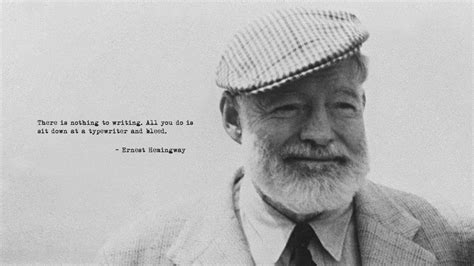
A few weeks ago, Hemingway’s A Moveable Feast was one of the books I reviewed. The work catalogued the author’s youth as an American expat in Paris. About this time, I saw the start of Hemingway, a documentary dedicated to the life of the great American writer. The PBS (Public Broadcasting Service) originally released the show in April of this year. Over three two-hour instalments, the series provides audiences insight into the legend. From womb to tomb, Kenyan safari to the Spanish Civil War, we witness Hemingway’s genius. The programme is notable for employing big-name actors as narrators. Veteran thespian Jeff Daniels voiced Hemingway while Oscar darling, Meryl Streep, did likewise with Martha Gelhorn (the third wife).

The series

Moleskin

In high school, I vaguely recall reading excerpts from two of Hemingway’s finest novels. This was part of English class. Later, while browsing notebooks, I saw his name among the premium moleskins. He was there together with two other supreme innovators: Picasso and Chatwin. This year, I’ve only started reading up on the latter. I kicked off 2019 by tackling ‘For Whom the Bells Toll.’ The book, which features an American guerrilla named Robert Jordan, was not a good introduction into Hemingway.

The show

I was not able to catch the genesis of Hemingway as I had been viewing another movie at the time. His Parisian days was where I began. Like in his memoir, the show tells of his family’s trips to go skiing during the winters. The episode quotes passages from Feast. The author had already worked as a journalist prior to his Parisian move. He had been employed with newspapers in both Kansas City and Toronto. Hadley Richardson was his first wife. They had a son, Jack (nicknamed Bumby). There was an anecdote about Hemingway’s lost stories. Apparently, he had asked Hadley to bring them to him. They were in a suitcase but were misplaced and gone for good. Apparently, Hemingway did not blame her at the time.

As a side note, Hemingway was a high school graduate before joining the Army as an ambulance driver in Italy. This experience would mould his future book, A Farewell to Arms. He was the eldest son, the second of six children. He spent his early years in Illinois. In secondary school, he edited both the school organ and the yearbook.

The twenties

While still married to Hadley, Hemingway began an affair with Pauline Pfeiffer. The latter was one of Hadley’s closest pals and a frequent travelling companion. As Hemingway began spending more time with Pauline, he burned bridges with his first wife. They ended up divorcing. The 1920s were a most productive time for the scribbler. He published In Our Time, a collection of stories, in 1925. Earlier, he released Three Stories and Ten Poems, as he tried to move on from suitcase-gate. He finally released his debut novel, The Sun Also Rises, in 1926. The title is a homage to Pamplona bullfighting. I learned that Hemingway had tried to wiggle out of a deal with his publisher by penning a crap novel, The Torrents of Spring. He was then able to sign on with his preferred publishing house.

Pauline

He divorced Richardson in 1927 and married Pfeiffer in a Catholic ceremony. They were able to get this done as Hemingway’s first marriage was not officiated by the Church, which thereby did not recognise it. While with Pfeiffer, he published another anthology: Men Without Women. The fourteen-story collection is on a medley of subjects, including bullfighting, boxing, infidelity, and death. In 1929, he commissioned his second novel, A Farewell to Arms. The latter transformed Hemingway into a major literary player and evinced a measure of complexity unapparent in his debut. The book chronicles an American ambulance driver in Italy during World War I. He had two more sons, Patrick (b. 1928), and Gregory (b. 1932). Farewell marked his first bestseller.

He expanded his love for bullfighting in the nonfiction work, Death in the afternoon. He spent some time researching in Spain. After this, he resided in Key West, Florida, where he broke his arm. While recovering, he was unable to write for a year. He continued to travel extensively to Europe and Cuba. Together, the couple ventured to a Kenyan safari, which became the basis for Green Hills of Africa (1935). Seeking more adventure, Hemingway went to Spain to cover the Civil War. There, he met Gellhorn, a headstrong, independent woman unlike any he’d met. Here, he wrote The Fifth Column, his only play. In the doco, there was some timely archive footage of the war. Hemingway’s apathy in his friends’ plight was also canvassed.

The Cuban connection

As he gradually grew out love with Pfeiffer, he spent more time in Cuba. He and Gellhorn rented Finca Vigia (‘Lookout Farm’), a 15-acre compound. His divorce was finalised in 1940 and he married Gellhorn in November of 1940. He split his time between Havana (where he spent his winters) and scenic Ketchum, Idaho. Gellhorn impelled him to write his most famous work, For Whom the Bell Tolls (1940). The novel traces its origins from the author’s earlier experiences during the Spanish Civil War. While considered among his best works, other critics shared my dissenting opinion. By the 1930s, Hemingway’s brilliance was no secret. Since landing his first bestseller in 1926, all his output would fly off the shelves. He became a must-read.

World War II

Though rather reluctant, Hemingway followed Pfeiffer to cover World War II in Europe. He managed to get in by plane while leaving his missus to board a ship. He suffered a concussion from a car accident and was hospitalised. Instead of helping him, Gellhorn mocked him and said they were finished. When they submitted both their war stories to the same magazine, Hemingway got the cover story over his ex. While in London, he met Mary Welsh, who would later become his fourth wife. Hemingway badly wanted a daughter, but she suffered an ectopic pregnancy.

Recognition

While in Cuba, Hemingway finished the novella, The Old Man and the Sea (1952). Only about a hundred pages long, the book relates how an aging sod catches an epic marlin, only to release it back to the sea. Apparently, a visit to Venice inspired this work. Hemingway was smitten with this teenager, Adriana Ivancich, who functions as the big fish metaphor. Incidentally, the scribbler found his second wind as the lass vacationed in Cuba. For his efforts, Hemingway was awarded the 1953 Pulitzer Prize for fiction. A year later, he would receive the Nobel Prize for Literature. Old Man was cited in the press release. Hemingway did not accept his triumph in person. Footage included in the doco shows a sluggish Hemingway trying to practice his speech.

Plane crashes in Africa

In 1954, the pair took a long overdue honeymoon to Africa. Hemingway was nearly dead balled in two successive plane crashes. When search parties could not locate him, media outlets around the globe reported his death. After suffering severe burns to his face and yet another concussion, Hemingway came out worse for wear. Subsequently, Fidel Castro spearheaded an uprising in Cuba, ultimately driving out Fulgencio Batista – the US-backed dictator. Hemingway, who had made a home in Cuba, had to flee to the States in a hurry. Any hopes of returning to Cuba were quashed by the Bay of Pigs fiasco. Once again, just like in his youth, Hemingway’s output lay stranded. This plunged him into despair, and he was unable to release another book.

The last stance

In the years prior to his demise, Hemingway retook to his writing. He had made big strides in at least three books, including A Moveable Feast. He wasn’t always the model husband. In later life, he took to drinking more. Come to think of it, how he managed to complete books while on the booze was mind-boggling. When a magazine asked for a 40,000-word piece on bullfighting, Hemingway submitted 120,000 words and requested his friend to do the winnowing. The guy who was renowned for his unstated, economical style could edit no more.

Iceberg Theory

While not the best spouse, he was a doting father. One time, his second son was struck. Hemingway took care of him. In his lifetime, Hemingway released six novels, seven anthologies, and two nonfiction titles. He was adventurous, living in different countries, taking to such pursuits as bullfighting, fishing, prize fighting, and big-game hunting. He popularised the ‘iceberg theory’ in writing. Simple sentences appear to mean more. The thing about his prose is it keeps you guessing. He may have worked with a typewriter and covered three wars but to this day his work remains highly original and pertinent. This critically-acclaimed doco is perfect for all Hemingway fans out there (or even the casual reader).

Rating: 5/5
Posted in Books, reviews, TV | 1 Comment

Sweet, cuddly canines

A few years ago, a family member chanced upon this adorable picture book. Featuring over ninety stills of man’s best friend, the title is the perfect pick-me-up. The following is the book’s blurb:

‘Ears flapping, eyes wide and nose twitching: a dog hanging out of a window is a spectacular sight. Capturing these moments of delight and canine curiosity, this book is an anthology of beautiful photographs of man’s best friend in motion. Dogs of all shapes and sizes from all over the world, majestically alert and gazing triumphantly towards the horizon. Whether cute, powerful, uplifting or heart-warming, these striking images stir up the emotions of joy we feel towards our loveable companions.

In over ninety-five stunning portraits, this collection showcases some of the best and most vibrant pet photography from around the globe.’

For this post, I’ll emphasise images instead of plain text.

Tibetan terrier

‘Nicknamed ‘Holy Dogs’ or ‘Luck Bringers’ they chaperoned Buddhist monks in Tibet. A medium-sized pooch, they have a shaggy coat, an amiable nature, and are powerful.

Tibetan terrier

Shi Tzu

Chinese for ‘lion dog’. Reared to resemble oriental lions. Known for their flamboyant hairstyles.

Bernese mountain dog

A dainty and kind canine. Originated from Berne, Switzerland. They have a tricoloured, double-coat, and a relatively short life span of 7-8 years.

Border Collie

‘Sporty pooches with a herding instinct. They are known for being energetic, their active lifestyle, and considerable wits. They are considered one of the smartest domestic dogs. They live up to seventeen years, but the mean is closer to twelve.

Border Terriers

These cheerful dogs are high-energy. They are small and have a rough coat. Average life span is fourteen years.

West Highland White Terrier

‘Westies’ are the pale iterations of the ‘Scottie’ canine, having been round since the 1500s. They are living the high life.

Golden Retriever

This breed was pioneered by Lord Tweedmouth. As one of the most popular canines in the US, Australia, and others, they also enjoy playing fetch. Life span is between ten to twelve years. Though fun-loving, the breed is also highly trainable.

Chihuahua mix

These critters love holing up into their safe places. They take their appellation from Chihuahua, the Mexican state. They are usually the smallest canine recognised by kennel clubs. They average around twelve to twenty years of service.

Poodles

The pampered ones. Cute and cuddly, perfect for dog grooming. The national dog of France.

Labradoodle

The puppy that once ate my friend’s Subway lunch. See also: my post titled ‘A dog’s (healthy) lunch.’ They are a cross between a Labrador and a poodle. An Australian, Wally Conron, has been credited with naming the breed.

German Shepherd

The utilitarian speed daemon. As the name suggests, they hailed from Germany. Started out purely as a herding dog but metamorphosed into the preferred choice for a working dog. Lifespan is 9-13 years.

Beagle

Brave, sociable, and intelligent. A natural-born hunter, he sticks out his tail when actively trailing a scent. Snoopy is a prime example.

Wire haired dachshund

Bushy eyebrows plus a beard make this canine a wise-looking pal. Albeit having short legs, they have a big personality.

Yorkshire terrier

A most popular lapdog breed, their small stature belies their huge personality and spark. They represent one of the most compact terriers around. The ideal maximum size is 3.2 kilograms. They trace their origins from Yorkshire, England.

Griffon Nivernais

‘One of the oldest French hunting dogs’. Medium-sized, with a rough coat, long ears, and tail. Has been described as daring and independent.

Pomeranian

Has a long and fluffy outer coat, with a soft and dense undercoat, making the Pomeranian the dog lover’s favourite playground. While chomping on my burger and fries, a Pomeranian once eyed my meal greedily.

Newfoundland

A ‘gentle giant.’ Despite their bulk, they have a very sweet disposition, are loyal to a fault, and are super with the little ones. Nana, from Peter Pan, exhibited all these traits. Originally bred in Newfoundland, Canada by fishermen.

Posted in Books, pets | Leave a comment

July 2021 (lockdown) reads

Another month, another list. Since my last catalogue, I’ve cleared another trio of reads. I started off with Rizal’s Noli Me Tangere, which has been dubbed as the foremost Filipino novel. We studied this text in high school, although the English version is new to me. Upon cresting Mount Noli, I took my time with Project Hail Mary. Written by the author of The Martian, the book is the year’s most anticipated sci-fi read. Finally, I browsed through A Moveable Feast, which is a portrait of Ernest Hemingway’s youth. Posthumously published, the latter remains one of his most acclaimed works.  

  • Noli Me Tangere (Rizal). First published in 1887, the Noli was originally written in Spanish. Rizal had been studying in Europe, where he became an ophthalmologist. The Noli is a combination of things. On the surface, the work is an impassioned love story between the protagonists. The book is also a satire, a caricature of the Franciscan Friars who ruled the Spanish province. Furthermore, the novel is a time capsule of eighteenth-century Pinoy life. In addition, the volume also reads like a Shakespearean tragedy.

The Noli tells the story of Crisostomo Ibarra, a Spanish mestizo who had studied in Europe. He comes back to the Philippines, where the friars effectively killer his father, his graveyard ransacked, his bones thrown to the river. Regardless, he is betrothed to Maria Clara, daughter of Captain Tiago. They have been childhood sweethearts. During his welcome back dinner, Father Damaso becomes irate. ‘How a neck and wing in a friar’s plate of tinola can spoil the happiness of a celebration.’

Ibarra is the epitome of his country’s idealism. He tries to build a school so that kids can learn Spanish. He acts as a bridge between his countrymen and the ruling elite. He has a good relationship with the captain-general, who oversees the territory. However, Father Damaso meets him only with insults and ultimately excommunicates him. What ensues gives Romeo and Juliet a run for their money. Though Ibarra is the axis, the other characters prove the flaws of the system. Elias, the anti-hero, has his family savaged and vows revenge against the establishment. ‘Enmity is the law of life.’ He endeavours to open Crisostomo’s eyes: ‘I want to life the scales from your eyes, senor, and help you avoid a sad future.’

Sisa is the exemplary parent, always looking out for her boys. Instead, she is met with contempt, her boys labelled as thieves. This proves too much for her. Meanwhile, the philosopher Tasio is deemed too loony. He writes in hieroglyphics because he believes the future would better understand them. Interestingly, none of these characters would endure. There are various Pinoys who come off as social climbers, bastardising Spanish to comic effect. The friars are sketched as power-hungry and lascivious, too quick in judging and insulting their subjects. The plebs are unimaginative and inveterate gamblers.

Being excommunicated is not enough. Just like Rizal in real life, Ibarra is alleged as a filibuster. The wrath of the entire church is heaped on him. He becomes the archenemy of the very people he tries to save. He loses everything barely two months after arriving home. A final twist: who is Maria Clara’s real father? There is a lot of intertextualities, reinforcing Rizal’s genius and cognizance of his time. Being a classic, this is not the easiest read. At times, the prose could be taxing. Yet the time you’d invest in this gem is well worth it. ‘I die without seeing the dawn’s light shine on my country…You, who will see it, welcome it for me…don’t forget those who fell during the night-time.’

Rating: 4.25/5

  • Project Hail Mary (Andy Weir). As above, the scribbler entered the scene with The Martian, which was made into a Hollywood blockbuster. This time, the world is under threat and only has a few decades left. The sun is losing its lustre, spelling doom for our planet. Ryland Grace, a science teacher, is recruited by Stratt. The latter oversees the international rescue mission. Grace’s expertise on the offending substance – astrophage – is maximised. He gets to attend important board meetings and goes aboard aircraft carriers. He works together with the world’s finest scientist in analysing the astrophage. The top nations would throw everything at a mission that would extend our globe’s expiry date.

At the onset, he wakes up after years of being in a coma. He finds his two fellow travellers as corpses beside him, unable to surpass the coma. Slowly but surely, the memories come flooding back to him. For much of the book, we alternate between a desperate past and a hopeful present. He contacts an alien, Rocky, from the planet Erid. He is the lone survivor on Blip-A, a high-tech ship. Their species are intelligent and live in xenonite. Their atmosphere is a lot denser than ours, and they have five legs. Theirs is a different conception of time, sleep, and food. For instance, Eridians like to repeat words three times when they’re happy or for emphasis. They also have the creepy habit of watching their companion sleep. However, Grace manages to communicate with Rocky through utilisation of wizard technology.  

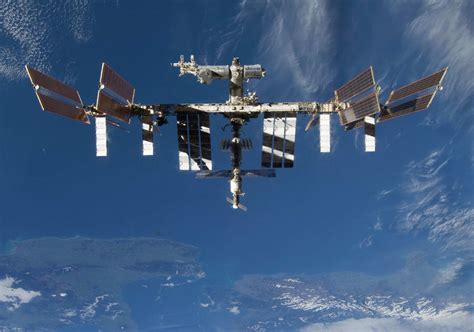
International Space Station (ISS)

Grace realises that they both want the same thing. Astrophage in their suns has threatened life on their planets. Though they have their differences, they join forces. Rocky is a highly skilled engineer who can make and fix practically anything. When the taumoeba eats all the fuel, Rocky’s mad skills come to the rescue. His surfeit of astrophage proves a game changer. Apart from bailing out Grace, he even saves his life. Rocky is amazed at how technologically advanced earthlings are.

Meanwhile, Grace proves that he is up to the task. He goes on spacewalks, gathers samples, and makes decisions that would shape our world. When they go their separate ways, he must make a tough choice between his own desires and the fate of his friend and Erid. There are shades of The Martian in that Grace is the lone human ‘in a galaxy far, far away.’ Thirteen earth years is the distance between the two points. At 476 dense pages, I must admit that this was not the lightest read. Certainly, it’s very original. Upon perusing this, I am convinced that Weir knows his astronautics.

Rating: 4.1/5

  • A Moveable Feast (Hemingway). This memoir, a treat for Hemingway fans, represents the third leg of the tripod. The book is based on some writings that the author left in two trunks at a Parisian hotel. Upon retrieving them decades later, he worked on the handwritten gems on and off during his last years of his life. The title tells of his life as a struggling expatriate writer in Paris. He lived in a shabby complex together with his young wife Hadley and Jack, his firstborn. He writes of his love for bullfighting and his wins at the races. He details his wine consumption, which is ordinary in Europe. He recalls the many city spots where he would get his writing done, including cafes, parks, and hotels. He relates the winters when they would swap Paris for skiing at Schruns.

Most importantly, he shares the thriving American expatriate community in Paris. He met other literary titans during the so-called lost generation: Gertrude Stein, Ezra Pound, James Joyce (who was Irish), and F. Scott Fitzgerald. Through the help of this cluster, he was able to jumpstart his literary career. He remembers Stein labelling one of his tales as ‘inaccrochable’ and that he should stick to what would sell. He recalls how Pound admitted not reading any Russian writers, which was a shame. Hemingway had looked forward to debating said literature with Pound. He thought Fitzgerald was not maximising his talent and that his wife, Zelda, was very envious of his work. Once, the pair went on a trip to Lyon. He painted Fitzgerald as an inveterate hypochondriac with occasional fainting spells. He was always a doubting Thomas.

The scribbler talks of his craft, how writing did not come easy. He would take hours just to get a paragraph down and had to skip meals due to meagre funds. He touches on his jaunts through the Champs-Elysees. and the Siene. Moreover, he borrowed books from Sylvia Beach, an American who established a library. Before she published Joyce’s Ulysses, she was an early advocate. A Moveable Feast is all of 165 pages, including an introduction by the grandson. Apart from a long chapter on Fitzgerald, the biography is composed of eighteen other (mostly) brief chapters. Originally published in 1964 by Hemingway’s widow, many of the Parisian spots mentioned in the book could still be found. The title was supplied by his biographer, A.E. Hotchner. Apparently, Hemingway had mentioned the phrase before.

‘If you are lucky enough to have lived in Paris as a young man, then wherever you go for the rest of your life, it stays with you, for Paris is a moveable feast.’

Rating: 4.3/5

Rizal Park, Manila
Posted in Books, reviews, Travel | Leave a comment

Fear Street Trilogy (2021) reviewed

As per my previous posts, this month has been lockdown in Sydney. I haven’t finished my latest read yet, but I’ve gone through a couple of series: The Mechanism, Atypical (season 4), and Dash and Lilly. My latest watch has been the Fear Street Trilogy. This is a recent Netflix addition, the first being released on 2 July, followed by the latter two. As a teenager, I was introduced to R.L. Stine and Fear Street. He has been described as the master of young adult thrillers. The trio of films were supposed to be released in cinemas last year but became another COVID scalp. Being released exclusively on Netflix, all three have been critically acclaimed.

the author

Fear Street Part One: 1994

Director Leigh Janiak gets the ball rolling with this teen slasher flick in a high school setting. Siblings Deena and Josh try to navigate school. They live in Shadyside, the opposite of neighbouring Sunnyvale. The latter is one of the wealthiest stops in the country. There is a love angle, with Deena being the ex of Samantha. Meanwhile, Josh has a secret crush on Kate, one of the popular cheerleaders. Otherwise, he taps away at his bulky desktop. Earlier, a lone knifeman spanks one of their peers and goes on a murder spree in Shadyside Mall. When a prank by the Shadysiders goes too far, even stranger things would take over.

Suddenly, the whole town is against them. Deena, Josh, Samantha, Kate, and Simon try to fight their way against the slalom of undead. They realise that their pursuers are not after them, but Sam. Her blood dripped on the witch Sara Frier’s hand. Their weapons are insufficient as their opponents cannot die. The only solution is a tough one: they must ‘kill’ Sam to disconnect her from the matadors. The group utilises the pills that Simon and Kate sell. They will lose friends along the way, but Josh’s history lessons on past Shadyside slayings will prove invaluable. Simon even labels him as ‘Rain Man.’

The teens figure out that there was a lone survivor from past attacks: C. Berman. Deena attempts to contact the revenant, to no avail. When Sam falls asleep, they revive her using EpiPen’s and CPR. The police pin the blame on the pill bearers. They have been known to hawk their treats. Since they are six feet under, they cannot bury the hatchet. Deena and Sam become open about their relationship. The former receives a call from C. Berman but not before being hit by her lover. Veteran actor Gillian Jacobs portrays Berman.

Rating: 4.3/5

Fear Street Part Two: 1978

The second instalment takes place in a summer camp. C. Berman is the narrator, saying that her sister -also in the camp – died a week after her story started. Her foes label the protagonist, Ziggy, a witch. Actor Sadie Sink (Stranger Things) portrayed the latter. Her character is pictured as a rebel, both against her family and her oppressors. She’s a toughie. One of the counsellors, Nick Goode, has taken a shine to her. He helps her with her revenge. Meanwhile, Cindy – Ziggy’s older sister – finds Tommy, her boyfriend, turned into a killing machine. She had tried to stop the nurse from slaying her mate. Apparently, the latter knew something was up and was merely trying to avert chaos. Tommy terminates Cindy’s friends and sets his sights on the camp, including his sister. Cindy desperately tries to save the kids.

In their attempt to make things right and to end the curse, Ziggy spills blood on Sara Fier’s hand, which resurrects the undead. With more comrades turned into cadavers, Ziggy, and Cindy retreat to the tree where Fier met her Maker. Upon digging a rock, they realise that this wasn’t the site. The slayers arrive, intent on Ziggy. Both are murdered, until Nick resurrects Ziggy via CPR. The viewers will realise that C. Berman is Ziggy; real name: Christine. They join forces to end the curse once and for all, as the group had found Fier’s body. They inform her that the camp has turned into Shadyside Mall. Josh and Deena dig the hand out of the same tree. They return it to the original burial spot when Deena has a sudden vision as Sara Fier in 1666.

The film was released on 9 July 2021. Most critics heaped praise on the picture. Some have even adjudged it as ‘strongest film in the trilogy.’ Others have asserted that the flick has a lot going on and tries to be many things but doesn’t stand out in any of them. One pundit gave it two out of four stars, citing the lacklustre delineation of the camp. Personally, I say that the actors were well-casted for this period piece. The plot was a real nod to seventies suspense and gore.

Rating: 4.4/5

Fear Street Part Three: 1666

Compared to the first two, which were mostly slasher fare, the third instalment is a supernatural frights movie. Part Three was released on Netflix last Friday, 16 July. This edition picks up where its predecessor dropped off. In 1666, Deena is transformed as Sara Fier. Janiak does a commendable job with the casting. Though audiences are teleported to the seventeenth century, the cast is mostly familiar faces. For instance, her brother Henry is the self-same Josh. A couple of villagers are Simon and Kate from Part One. On the flipside, this could be a budgeting thing, as they wouldn’t need to ferry in newcomers. Either way, the conceit works.

Back to 1666. Sara Fier is involved in a tryst with Hannah Miller. The latter is played by the same actor as Samantha Fraser. The two are caught up and the villagers want their heads, bringing fire and pitchforks with them. Following their rendezvous, things mysteriously turn sour in the town. The pig becomes a cannibal, the reverend begins acting up. This gives the villagers even more reason to blame the pair. They are tried by pitchfork and sentenced in a kangaroo court even with zero tangible evidence against the lovers.

Through all this, Solomon Goode remains Sara’s only ally. They were arranged to be wed before the storm hit. When the townsfolk come searching for Sara, Solomon hides her. While lying low in his abode, Sara/Deena discovers that Solomon has embraced the dark side. It was he who poisoned the water, who saw her with Hannah, who killed the kids. Sara tries to escape from him but loses a hand in the process. Sara admits to everything to save Hannah. Before her death, she vows vengeance against Solomon.

The latter third is dedicated to 1994: Part 2

This time, the group knows the real baddie full well: Sheriff Nick Goode. At the start, Sam is still possessed. They find an ally in Martin, who owes Josh a favour. They concur to lure Goode, where the Shadyside matadors will silence him. They manage to trap the killers and lure Martin to the nexus where Ziggy douses him in Deena’s blood. Nick escapes. Deena and Sam follow him. When the latter attacks Deena, she knocks her out. Nick overpowers Deena, almost killing her. However, the latter exposes him to some beating organs, and this gives him a vision of every one of his killer’s victims. Deena stabs him, making the matadors disappear and eliminating the curse for good. The Goodes are then exposed. Deena and Sam reconcile at Sara’s grave.

Filming took over three months in Georgia. Now, this is the highest rated of the three. A slew of observers has offered that Part Three was a fitting end to the trilogy. I liked how the players acquired southern accents for this outing. I was also a fan of the 1994 revisit, adding some spice. All three instalments are around the two-hour mark, enough to keep you riveted. Altogether, a well-crafted tripod that exceeds expectations.   

Rating: 4.6/5

Kiana Madeira (Deena)
Posted in Books, movies, reviews | Leave a comment

An ode to the COVID epicentre

Have you been paying attention to the news?

Then you’ll realise that this pandemic doesn’t choose

At first, they made masks mandatory

It was a nod back to recent restrictions

The current wave began at Bondi

Once it started, the outbreak went banzai

They tried to contain it as fast they could

Locking down four councils so people would think twice before they move

Lo and behold, those measures weren’t enough

The next day they announced that the whole city would have a trough

Downtown Sydney became a ghost town; people had gotten the message

There were only a few reasons to go out, they couldn’t take a carriage

From Sydney’s east the tide spread

Even as most of the metro did not tread

Stopping by at West Hoxton and Double Bay

Claiming a few schools along the way

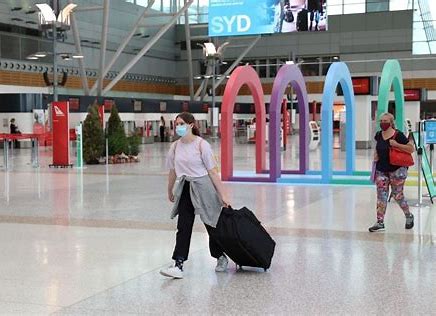
They aimed to board a plane

Was held up for hours unable to eclipse the lane

One by one the borders to our state were closed

Dreams of a Kiwi bubble all but doused

Empathised with those who planned their trip

Now chasing those travel agents to recover the money dip

They went nuts for toilet paper, meat, and bread

Tried to fill their trolleys before the limits are spread

In line with government restrictions the repositories were closed

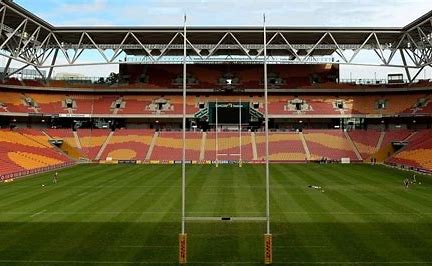
Empty stadiums no matches were contested

Businesses operating on takeaway only

Restaurants are near empty

The malls look like The Twilight Zone

All the goods, clothes, and shoes left alone

Hairdressers have been ordered to shut

Old and young unable to get their style cut

Trains are deserted, so are buses

Even the Churches had to cancel Masses

While the supermarkets are open

So are the chemists, and bread shops; must pre-heat that oven

Ditto banks and medical centres

Gotta serve those geezers

This second wave came suddenly

We barely had time to eat ravioli

Lately, attention has shifted to Sydney’s southwest

This has become the country’s COVID epicentre, daunting test

Fairfield’s been ravaged

Cases soaring, so savage

On Friday, 100 police were deployed to the area

Making sure that the denizens follow the dicta

They came in their horsebacks

Going after renegades who weren’t wearing masks

The townsfolk had complied

Only eight humans disobeyed

They even used translators to get their message across

Otherwise, the note would’ve been lost at sayonara or adios

The erstwhile testing hub at the Showground was swamped

By golly, the queue stretched six, eight hours: the residents were sapped

In the kingdom of COVID nothing was spared

Neeta City, K-mart, Coles, ALDI were impaired

Even old Red Lea Chicken was caught in the cluster

Crikey! Sushi Hub did not escape the twister

Dentists and pharmacies next on the cliff

Fruits shops likewise had it tough

Fruit Mania and Fruitopia couldn’t bluff

An employee of another hospital

Came to Fairfield’s infirmary, making it go postal

Spare a thought for those waiting in the queue

They yearn for a rescue

Three hours and then told to return to their cave

Twenty-four-hour testing clinics now the rage

The suburb used to be a bustling hive of activity

Now just a shell of what it could be

Oldies bringing their trolleys, shops hawking their treats

Pork roll, pho, and pides are their preferred eats

Neeta City the centre of commerce

Fairfield Forum vibrant like summers

We don’t give these battlers enough credit

They’ve come from warzones; they know how to wing it

The suburb is one of Oz’s most ethnically diverse

Most locals have a second language to converse

In this time of lockdown, we must wonder

What is ‘essential’ and who should venture farther

The weather reports no longer matter

Looking out the messages are mixed

Do shoe stores count among the picks?

The advice is clear; we see what to do

The rules are delineated but what’s basic still confuses a few

New South Wales is practically shut for the month

Got to get those COVID numbers blunt

In the latest announcement, we now have a clearer picture

We strive to get the key figure

Closest to zero

In small steps, we try being a hero

Southwest residents now directed to stay put

Till we get ourselves outta this tough nut

As the saying goes, ‘Better late than never’

Must focus on this hurdle like a laser

Why Fairfield, guess we wouldn’t know

Just wish the tally would get low

Hope we can come out of this wiser

When the dust settles, tomorrow will be brighter

Hot air balloon festival, Sydney
Posted in Literary, Travel | Leave a comment

Notes from (Sydney’s) lockdown

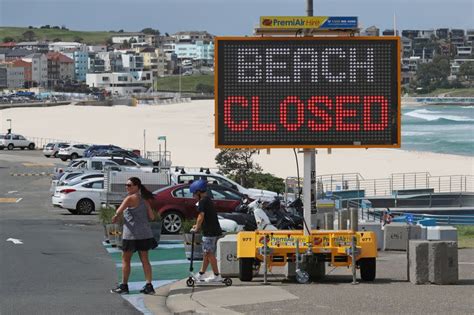
A flurry of COVID cases last week had prompted the NSW government to enact a partial lockdown last Friday (25th of June). This would’ve lasted a full week. The four councils included City of Sydney, Woollahra, and Waverley. This meant no sunbathing in Bondi Beach, after the local Westfield became a hotspot. With twelve more cases last Saturday, state officials imposed a full lockdown in greater Sydney. This was effective from 6pm on the 26th until the 9th of July, coinciding with the school holidays. In the days prior, other states had already closed their borders. The Sydney wide restrictions are only the second of its kind, after the nationwide lockdown last year.

Por J. Rizal

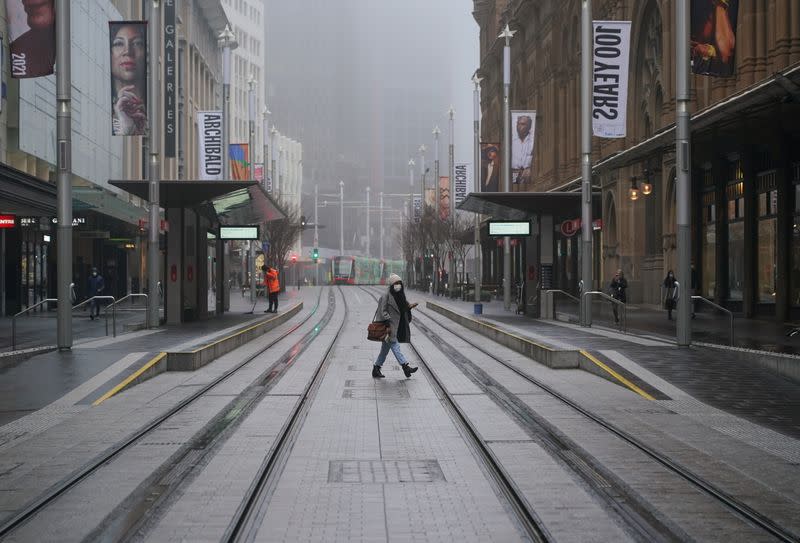
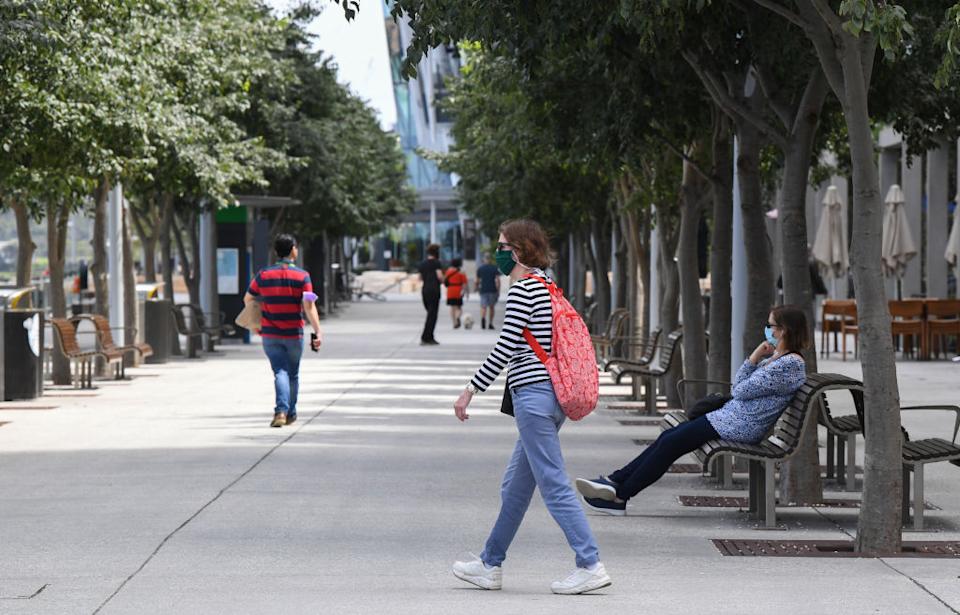
Last Friday, I visited my chiropractor. The whole city centre had gotten the memo. The train platforms were deserted, the streets empty. Downtown seemed like a still from The Walking Dead. Practically everyone was wearing a mask, as per the guidelines. The mask rules had been mandatory on public transport since the previous Friday afternoon. Since then, they have been expanded to all indoor venues, including workplaces, malls, and places of worship. Commuters were once again instructed to sit on the green dots for social distancing purposes.

During my visit, I discussed the Noli with Jeff. I am currently reading the English version of Rizal’s obra. I told him that it was originally written in Spanish. The book is considered the foremost novel in the country. I mentioned that Rizal lived in the nineteenth century, back when the Philippines was under Spanish rule. I also said that Rizal was a martyr, an ophthalmologist, and a polymath. He was so much more than a writer. I remarked that the dialogue could get tedious, with some characters going on for two pages. He mentioned that Flaubert wrote like that.

A city deserted

Lunch was at Hunter Connection. I noted that Subway had vacated for good. There was a big Korean place that had also closed. Many stores did not open for the day. The patron numbers were way down. The so-called Delta Variant of the virus is at large. Originating from India, the infection is twice as deadly as other strains. This lockdown could be traced to a limo driver, who transports overseas airline crew. He traversed Sydney while harbouring the virus. The infections were spread across several places, including the infamous Bondi cluster. On Tuesday, seventeen out of nineteen new cases were linked to the latter. Later, I wondered what would happen to H & M? Their Bondi store would close in July but the backlash from the cluster would spell doom for them. At least the Chatswood branch was able to leave with a proper goodbye.

More clusters

A social gathering in West Hoxton also caused harm, as thirty-four attendees have tested positive. The rest are in isolation. Meanwhile, a similar cluster had developed at a Double Bay hair salon. At last count, the number of infected there has ballooned to twelve. An ill Virgin Australia flight attendant also worsened the matter, exposing hundreds of passengers and crew. Lately, a few schools around Sydney are on high alert after students caught the virus. Most troubling are those cases not linked to the clusters. In the news, I heard about this flight to Hobart from Sydney. The passengers had already boarded the plane but waited three hours, only to be told that their flight was cancelled. Other states soon excluded greater Sydney, before shutting their borders for good. The New Zealand travel bubble was also off the table.

Sydney’s second wave

As mentioned, by Saturday afternoon, the government enforced a hard lockdown for two weeks. They urged all residents to stay at home, with a few exceptions. For instance, being an essential or frontline worker was a valid reason to go out. The premier outlined four main reasons to go out. The first is as per above: doing essential work. The other three are:  doing groceries, exercising, and visiting for compassionate grounds. I was surprised that, until further notice, all masses at our local parish had been cancelled. Retailers are still allowed to open but doing so would be a bad idea what with the lack of shoppers. Some stores, like Harvey Norman, Rebel, JB Hi-Fi, and David Jones have elected to stay open.

Food outlets operate on a takeaway basis only. The onset of Sydney’s second wave also prompted some panic buying. On Thursday night, the shelves at Woolworths Eastgardens were bare. Soon, the mad rush for toilet paper was back on. Images of grocers hoarding trolleys full of them were all over social media. The supermarkets again ordered limits on certain products. When I went to Woolies on Saturday, the entire bread section was empty. Ditto the meat section. At least there were still three packs of toilet tissues. Major sporting competitions have also had to improvise. The NRL (National Rugby League) is operating on level four restrictions. This means that they can only play, train, do essential shopping, and have no visitors outside the bubble. Meanwhile, all eighteen teams in the AFL (Australian Football League) are now temporarily based in Victoria.  

The bashful dollars

This is bad news for business in Sydney. The school holidays would bring tourism spending to town. Economists estimate a $2 billion decline for the state’s economy. Outlets who had just started attracting clients again would have to cool off. Cinemas will take another hit, especially perturbing since the school break would’ve brought more patrons. Furthermore, gyms are shut, and fitness buffs would have to carry on by themselves. While big brands have the insulation, small businesses are the real vanquished.  

Going places

In the latest developments, concern has now spread well beyond Sydney. First to take precautions were the Western Australian and Northern Territory governments. The former could link its infections to NSW. In particular, the Perth and Peel areas of the state were in lockdown.Meanwhile, Queensland had two new cases on Tuesday. A hospital clerical worker caused this. The state premier was ‘furious’ and promptly issued a three-day lockdown, which included Brisbane. On Monday, 50,000 COVID tests were conducted in NSW and the queues were even longer than that of the groceries. Lines for the vaccines were likewise lengthy as demand surged following the new outbreak.

On Wednesday, 22 new cases emerged in NSW. The new outbreak was said not only to be concentrated in a few areas but was apparent throughout the nation. Friday saw the number balloon to 31 and the COVID tests went over 70,000. Today (Saturday), that figure has risen to 35. With the citywide lockdown in full swing, we can all do our bit. This ties in nicely with the Noli. In the late 1800s, Rizal was fighting a social cancer. These days, we likewise must contend with a bigger battle: the hurdle of COVID-19. When the dust settles, we can embody the lessons we learned today.

Posted in culture and politics, Travel | Leave a comment

A Broadway Shopping Spree

Last weekend, we visited Broadway Shopping Centre. The mall is in the southern end of the Sydney CBD (Central Business District). Public transport isn’t as good as comparable centres downtown. Buses are the only proximate means; otherwise, you’d have to drive. Target and Kmart, two major department stores, anchor the edifice. A full-service Coles is on ground level. Furthermore, a 500-seat food court is located on level two. A 12-screen Hoyts complex sits adjacent to the food court. There is also JB-HiFi on level two as well as an Apple Store at the top level.

Lost on Broadway

This trip to Broadway was centred around Marcs. I was after this rugby top which had an owl badge. The mall houses the only Marcs standalone store in the CBD. Alas, there was no rugby to be found. When I tried to tell the sales assistant that it had a collar, he seemed lost.

‘You mean like a chunky collar?’

‘Not really. Is that menswear over there?’ I spied a discount rack further along.

‘Yes,’ he replied. Instead of confusing the guy even more, I went over and examined the rack. No sweater.

Off Target

We then ducked into Target and browsed. Finding nothing of interest, we headed to Dotti. Signs proclaimed, ‘fifty percent storewide.’ Upon further inspection, we gathered that the store was closing for good. My companion grabbed an acrylic sweater, which used to be fifty bucks; a steal at over seventy percent off.

Typo and Just Jeans

After this, we had a look at Typo. There were signs saying $2 selected styles. The outlet featured an array of notebooks. While they had nice designs, I thought that they were rather thin for my purposes. My companion ended up buying a pouch. The whole pencil case range was reduced. I picked up one of them but judged that it was too roomy. Sandwiching these two encounters was Just Jeans. The store was hawking forty percent off, but their range was sophomoric. Furthermore, the ones worth buying were out of sizes. I wistfully think back to the days of Jeanswest in the centre. I bought a few shirts here and they were very reasonable. I also collected shorts and scored a maroon knit jacket. The shop has long since been gone.

The Big Buy

Our next stop was Cotton On. They had a sale rack that I noticed, which featured some jumpers. This peach-coloured fleece one caught my eye. It was half price at twenty bucks. I also sighted this slim tapered jean in grey colour. I’ve been on a lookout for such an addition. There was still about eight of them left, in different sizes. I tried on a couple of them. Both items looked good, so I didn’t think twice about the purchase. The denim used to be $60. Therefore, I got a total of sixty percent off.

Stretching your dollars

We then ventured into K-Mart. I got three notebooks for six bucks. Later, I’d realise that they were just the same sheet count as Typo’s. We also grabbed this plug extension for three bucks. We had a look at some manchester but decided to hold off for now. We then headed to The Reject Shop where we bought some beverages and candles. Along the way, we passed by Industrie. Business has not been good for the brand; there was no one nearby. The same applied to Yd. I thought of having a browse, but the lack of window shoppers convinced me that it wasn’t worth it. I see these two menswear stops as the most likely to leave. For womenswear, next after Dotti would be Witchery.

Gourmet eats

H&M was the one we forgot to visit. The store is a recent addition, only opening in late 2016. The centre bought off what used to be office space and added Calvin Klein, Sephora, Victoria’s Secret, and the former. Last year, I purchased a five-pack of socks here. The food court was likewise upgraded in the reshuffle. Some new tenants opened shop, including Mexican and Malaysian eateries. The dining has a more upmarket feel. This was all part of the $55 million major refurbishment, which commenced the year prior.

The food court has a fair range. Apart from the aforementioned cuisines, there is also Chinese, Thai, Turkish, and Aussie fare. Moreover, sushi is available downstairs; Boost Juice; T2 and Chatime for the tea lovers. There are the usual cafes. What’s missing are the biggest names in fast food. Instead, it’s mostly mid-tier and gourmet fare. If you’re after pizza, burgers, or McNuggets, you’ll be disappointed. Once, they had this spin the wheel promo. If you order from the food court, you were eligible to try your luck and win prizes. When my turn came, I found the wheel heavy but managed to win some free sushi.

Meanwhile, the Coles used to be our primary stop for groceries. Usually, we’d stock up after Mass, before taking the bus back home. The renovated supermarket looks radically different than the one we used to frequent. The layout, deli, bakery, and checkouts have all been made over. I recall buying some apparel from Rebel Sport. I used to have a look at their shoes. They have a big store at the front. My companion commented that they have stayed on despite COVID. They’ve been around since my first visit.

Outdoor sale

Over at Aldi, I twice had a shopping spree during their annual outdoor sale. In July 2017, I was there before they opened, along with a dozen eagle-eyed shoppers. I grabbed two sets of thermals, snow gloves, and a down vest. I was prepping for my snow day. The next year was similar as I spent ninety bucks on thermals. Aldi occupies the space that Bi-Lo vacated. Above Aldi, there is also a Harvey Norman and a Dymocks bookstore. Both are long-time tenants. The Telstra store near the former has been around for a while.

Circa 1998

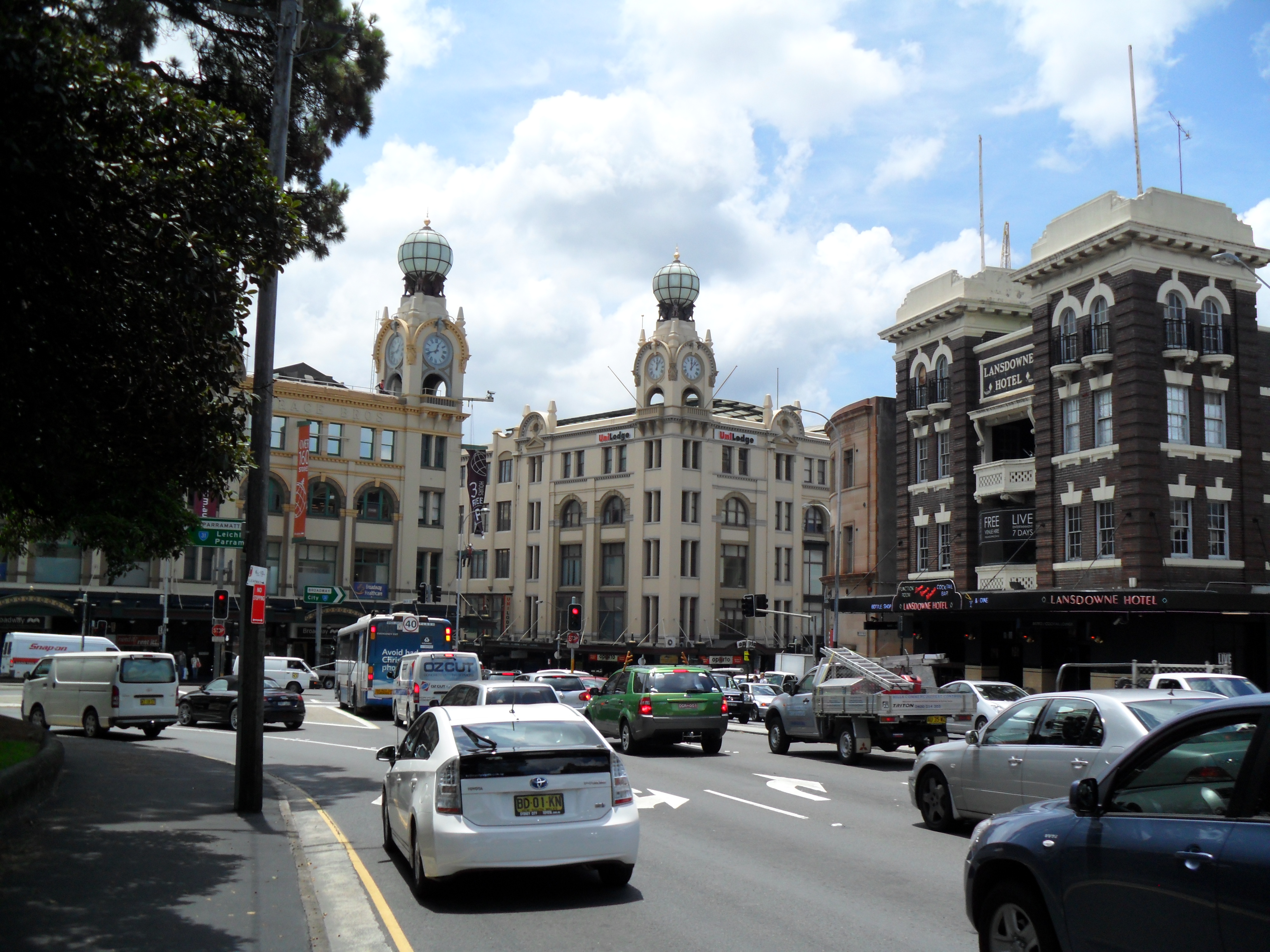
Indeed, Broadway has been trading since 1998, when it repurposed the site that was part of the former Grace Bros. The next building, also formerly Grace Bros, was converted into student housing. The centre added another floor in 2007. Mirvac has owned and managed Broadway since that year. Apart from the anchors and mini majors, the edifice houses some 100 specialty stores. Among these are Specsavers and House on ground level. There is also a post shop and some bank branches on the same level. Hype DC on the first floor is a recent inclusion. As for Hoyts, we watched Tim Burton’s Alice in Wonderland there. The theatre was packed.

Life happens

I recall going to the complex with family on Boxing Day. Compared to Pitt Street, Broadway was more laid-back that day. We scored Tefal cookware at Target for half price. As mentioned in my Top Ryde post, the bold travelators are the first thing you’ll notice upon entering the structure. To begin with, there are two escalators from street level as the mall sits atop the ground. Upon entering, the twin travelators stand out. To be fair, they are standard in the centre, even in the upper floors. As per above, I did not really intend to browse this complex. Impelled by a chance at nabbing a rugby top, I was glad to wander in Glebe. As a wise man once intoned, ‘Life is what happens to you while you are busy making other plans.’

Posted in cooking, reviews, Travel | Leave a comment

June (2021) reads

At the onset of winter, I crested a classic. It took me four days to finish the main text of Cat’s Cradle. I’ve had this book for a while now and I loved Vonnegut’s originality. I followed this up with Grisham’s latest: Sooley. The novel focuses on the exploits of the eponymous protagonist. A refugee from South Sudan, he needs to accomplish something that hasn’t been done before. Sooley must become a basketball titan in twelve short months. Finally, Nomadland by Jessica Bruder rounds out the trio of reads. The nonfiction title has been adapted into an award-winning film starring Frances McDormand. The production shone at the last Oscars.

Cat’s Cradle (Vonnegut). Upon taking in Slaughterhouse Five, I yearned to read more of the author’s work. Vonnegut is one of the postmodern pillars, a writer well ahead of his time. This work did not disappoint. Originally released in 1963, Cradle was another anti-war novel. This is done on a much-lesser scale than Five. The writer’s creativity is on full display in this text. He invents a flawed Caribbean island (San Lorenzo) and conjures up its history. He devises a new religion (Bokononism) and utilises its tenets as guiding lights for Jonah, the protagonist. The novel is peppered with poetry, adages, and excerpts from the Books of Bokonon.

The characters themselves are not without flavour. There is a midget, Newt. He is one of three children of Dr Hoenikker, father of the atom bomb. His sister, Angela, is six feet tall. The house sitter story was particularly amusing. Jonah came home to find his cat dead, with the word ‘miaow’ attached on a note. Another comic scene was when Newt was painting on a cantilever. A character flings the sketch over the edge. Apparently, a net was set up underneath to ‘catch’ any fallen objects. Jonah, a journalist, goes to San Lorenzo fishing for big stories. The American ambassador to the island accompanies him, as does another couple; Newt and Angela.

Along the way, Jonah learns that Dr Hoenikker had been working on a lethal weapon called ice-nine. He also finds out that Frank, Hoenikker’s other son, is now in charge of San Lorenzo’s armed force. When the ill President is on his deathbed, Jonah is thrust into the spotlight. He learns that no one on the island wants to lead. San Lorenzo is a Bokononist stronghold and yet appears to fight that label. A select few rule the country. As expected, the world crumbles and only five humans pull through. How a car survived the tornadoes – with the whole planet decimated – was textbook Vonnegut.

If you’re dedicated enough, you could conquer this one in two days. At 206 pages and with fairly straightforward prose, this is definitely a light read. The book was written at the height of the Cold War, where tensions between the two superpowers were at its peak. The narrator mentions that the Soviets had access to ice-nine, aside from the Hoenikker children. Indeed, the whole republic could be an allegory of the hopes, dreams, and shortcomings of post-war America.

Rating: 4.33/5

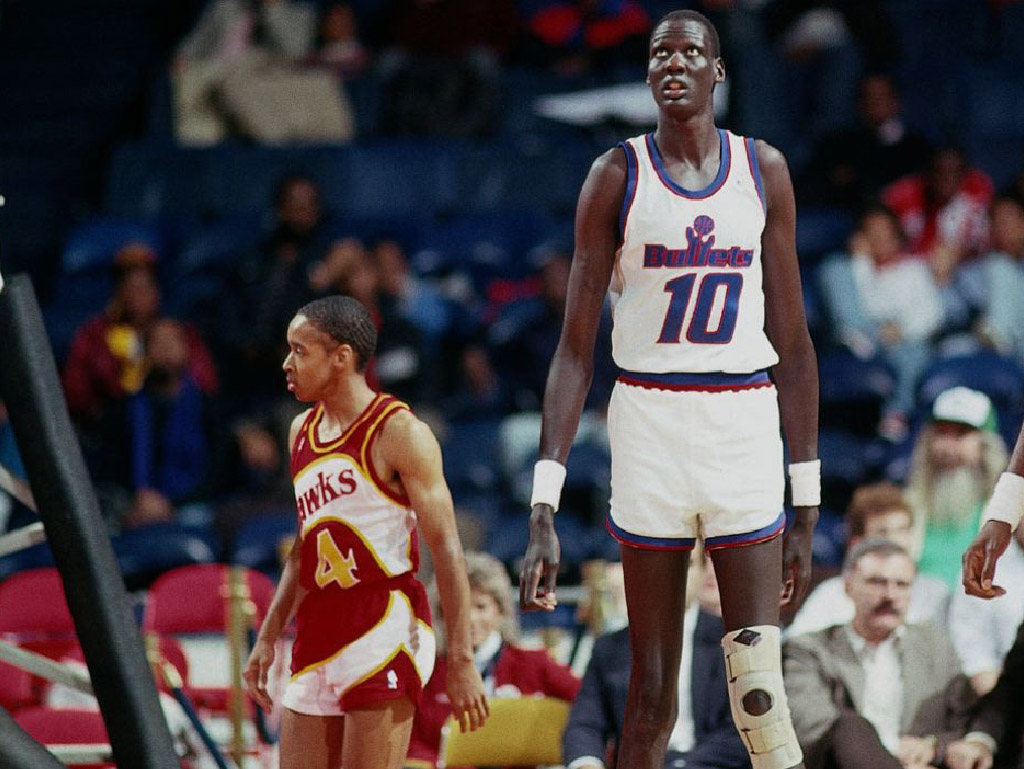
Sooley (Grisham). I only heard about this gem after it was released. The bestselling author takes a different turn. The title character grew up in Lotta, a remote village in South Sudan. A third of the new country’s population are refugees. Basketball is his way out. Blessed with blazing speed and a mind-boggling vertical, the six-two guard participates in a youth camp that tours the US. In a tournament pitting them against other youngsters, Sooley was the last pick on the team. Initially thin with an ugly jump shot, Sooley is hell-bent on becoming the best. When his whole village goes down, Sooley is granted asylum in the States. He is given a full scholarship to study at North Carolina Central.

He settles in with Murray, also on the squad. The latter’s family welcomes him. In case you’re wondering, the football team’s star player gave him the nickname. The plot oscillates between Sooley’s new life and the plight of his mother and two brothers. The three are in Rhino, a Ugandan refugee camp. Meanwhile, the team is already stacked, and they decide on Sooley redshirting his freshman year. However, the losses pile up and rotation players get injured. Sooley, now six-eight, is then tabbed to resurrect their drowning season. I liked this angle. It reminded me of Fukuda, in Slam Dunk. Sooley becomes the secret weapon. The man came prepared. Every day, he would practice his shooting for hours and his work ethic impressed even his coach, Lonnie Britt. The latter secretly dreamed of helming an elite program.

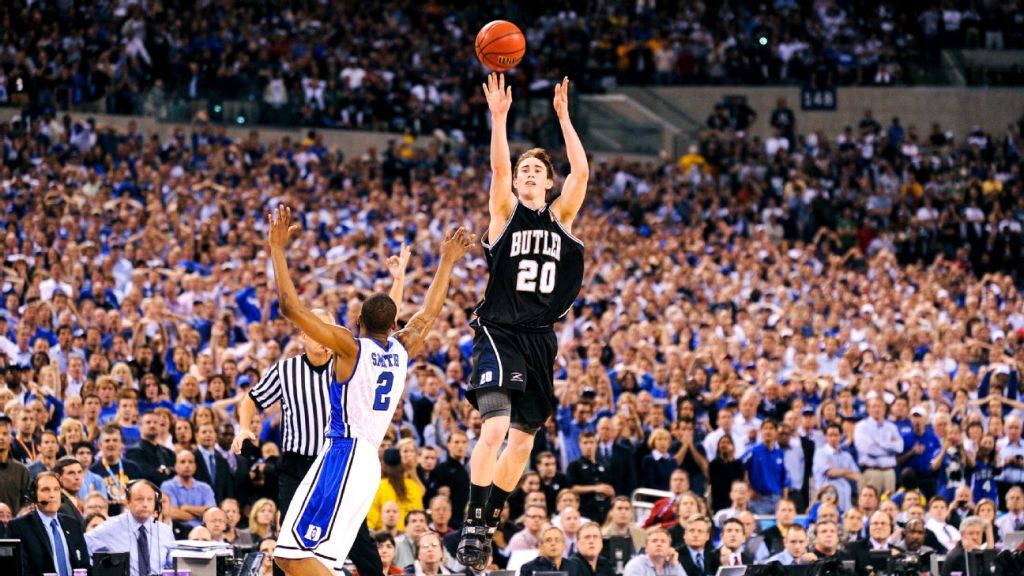
Sooley’s game leads them to the play-in tournament, where they shock Florida. By then, Sooley is routinely dropping forty a game. Nothing but net. In the history of college ball, there has never been a more accurate long-range shooter. With his big smile and infectious love of the game, he becomes the poster boy of March Madness. He would lead them to the last dance aka the Final Four, though they were perennial underdogs. Along the way, hitting ten threes and notching up triple doubles would become old fare. He decides to go one-and-done and is drafted in the NBA.

Everything seems bright for the young star, until carelessness becomes his downfall. We later learn that he has been finding ways to bring his family to the US. Murray then unearths Gaston, an ‘extricator.’ This makes for a very unreal subplot in the finale. Sooley’s impact on those around him was incalculable. His coach gets his wish. His teammates were in the national spotlight. His school became the talk of the town. His family couldn’t have been prouder. This is more than just a basketball book. Grisham did his research: on South Sudan, their people, and college basketball. The author is also an avid sports fan, which becomes clear. Sooley is a riveting tale of excess, wanting, and loss. While there are limos, private jets, and banquets, there are also camps, the third world, and civil war. Through the eyes of a young but courageous cager, Grisham puts forward the American dream. So far, this title is my favourite of the year.

Murray: ‘I guess so. He was a smart guy.’

Gaston: ‘Very smart, and very determined.’

Rating: 5/5

Nomadland (Jessica Bruder). This is a travelogue as the author hopscotches around America. Her mission: to tell the story of a new kind of identity: the nomad living in vehicles. The recent proliferation of campervan and RV (recreational vehicle) dwellers can be traced back to the 2008 Global Financial Crisis (GFC). House prices went into free fall; businesses went bankrupt; savings disappeared; jobs vanished. Bruder was treated with similar stories of once-busy bees getting their hives smashed. While the writer deals with many accounts, she foregrounds Linda May. The latter is a mother and grandmother, then in her sixties. She calls a Jeep Grand Cherokee home, together with Coco, her dog. Starting from California, she moves through various states to gain employment. She battles injuries as she tries to save for her dream home, an earthship.

The author introduces us to various nomad gatherings. These include Quartzsite, Arizona and the Rubber Tramp Rendezvous. Here, there are seminars on a motley of topics. Recruiters from the big companies try to pitch their workplaces. Crowds gather round bonfires as they share the tales of the trade. I learned that this kind of community is not new. In the 30s, the aftermath of the Great Depression saw people taking to caravans. While this numbered in the millions, they ultimately went back to living in traditional housing. However, this exodus is more permanent. The revolution is not just physical, but also online: in social media and forums.

Through three years of reporting, Bruder embraces the itinerant lifestyle, even buying Halen, her own RV. She travels 16,000 miles, befriends the drifters, thus getting an insider’s look. She brings us to overwhelming warehouses and incredible working conditions. We are there at the sugar beets harvest, where she doesn’t last long. Racism and homosexuality are likewise navigated. She purports that this way of life is still very much a white phenomenon. The journey is depicted, through scorching summers and shivering winters. Bruder reveals that there has been literature dedicated to them, including one by Steinbeck. First released in 2017, there are only twelve chapters. While clearly well-researched, they are not the easiest to read.

Rating: 4/5

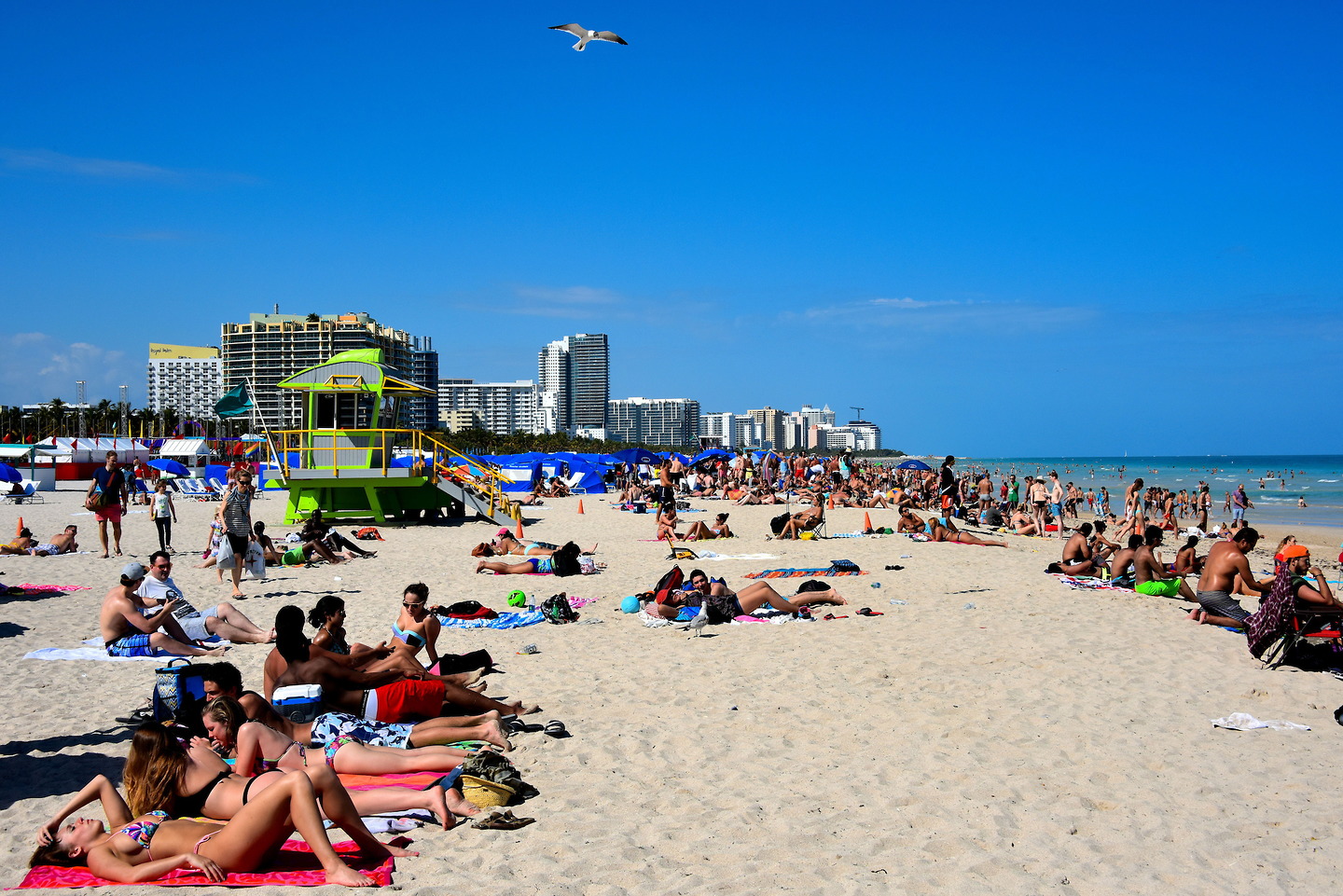
South Beach
Posted in Books, Sport, Travel | Leave a comment

June 2021 Long Weekend

Coinciding with the plummeting mercury is the long weekend. Aside from the usual two days to cap off the week, Monday represents a public holiday as this commemorates the Queen’s Birthday in our state. About three years ago, I wrote a similar post on Mot Juste. Then, the ski fields were the hottest ticket in town. One must recall that this was before COVID. Three full calendars later, things have changed. Here is a recap of what to expect and what has changed since June 2018.

  • Queensland is the place to be. Before, Sydneysiders were spoiled for choice. Victoria and the sunshine state (Queensland) presented equal options for the weekender. Melbourne and Brisbane are roughly the same distance from Sydney. Victoria offers the best live sports events, is a foodie and arts haven, among other things. Meanwhile, Queensland is synonymous with the surf and sun. If you wanted a more temperate getaway, a cavalcade of beaches, and water sports, then off you headed. However, with the recent number of COVID cases in Victoria, the pick is more clear-cut. For instance, my chiropractor is spending six nights on the Sunshine Coast. He told me that he had planned this trip for a while now. Events are being rescheduled from Victoria to Queensland. Even Melbourne-based AFL had to improvise due to the fourth wave. Some matches were rescheduled to neutral venues.

Game 1 of this year’s State of Origin was moved from the Melbourne Cricket Ground (MCG) to Townsville, Queensland. This edition marks number forty of the annual best-of-three showcase. The attendance was a robust 27,533. I anticipated another Maroons romp, but the effort of NSW coach Fittler’s boys was pleasantly surprising. From the get-go, they attacked the Maroons’ defence and were accumulating tries by the middle of the first half. The Blues side also had an exemplary kicking game, going eight for eight from goal. Tom Trbojevic netted three tries in a triumphant return. This represented the most decisive NSW win in Origin history.

  • The French Open: different but the same. Three years prior, Ash Barty (who is pictured) was ascending the women’s ranks. A week later, she would win the 2018 Nottingham Open for her second career WTA Singles title. Rafael Nadal would notch up his eleventh French Open, defeating Austrian Dominic Thiem. The latter is regarded as the second-best clay courter on tour. Three years on, another Nadal victory seems a foregone conclusion. Already tied with Roger at the top for twenty grand slams, a fourteenth Paris close-out would secure Rafa sole first-place among male slam winners. There has never been anyone as dominant on one surface. Moreover, nobody has matched his haul, full stop. I recall this conversation many moons ago. Roger had just surpasses Pete Sampras’s fourteen slams. This critter told me that Rafa would one day eclipse Roger. If all goes according to plan, Nadal would pull this off in a couple of nights.

This Open has a curfew for fans, in line with local regulations. Until 9 June, the curfew was at nine pm, which was later moved to eleven pm. The tourney itself was moved forward from last year’s September start to the traditional late-May commencement. Spectators were capped at a thousand and subsequently increased to five thousand. This is the 125th staging of the premiere clay court championship. This time, Barty fell at the second hurdle while her male compatriots – including Alex De Minaur – did not fare so well either. The Fed Express notably withdrew, citing health reasons. He rather favours his chances at Wimbledon, site of his greatest successes.

  • The mid-year sales are heating up. Just like in 2018, the June long weekend sees a gamut of stores hawking their mid-year sales. Now is the perfect time to rug up for the cooler season. Whether you’re after baselayers, mid-layers, gloves, or ski jackets, now is as good as it gets. Stock up on those winter woollies. Apart from clothing, there are reductions across shoes, small kitchen appliances, and electronics. Get your hands on that shiny 5G phone. Better yet, nab that bulky 4K TV set.

Recently, we bought a replacement Thermos from Myer. Earlier, I also picked up some notebooks. I want to start chroniclin’ like Chatwin. DFO Homebush is currently having a Big Brand Weekend, with some stores offering fifty to seventy percent off. However, these storewide reductions come with asterisks. The exclusions make the sales appear farcical. As a kid, my sister pointed out this sign announcing one hundred percent off. My dad, who drove us, was immediately sceptical. ‘That means those shoes are free,’ he told us. ‘Feel free to choose the shoes you want. They’re freebies, after all.’  

Of course, I understand the hesitation. The COVID era has made us think twice about spending big. Unlike before, you wouldn’t spend hundreds on a few branded items. Thinking about the bigger picture is always nice. At the same time though, striking a balance is key. If the past lockdowns have shown us anything, it’s that life’s too short to overthink. When the days were long and the restrictions were intense, we had little options. We still do. We can’t travel to other continents or, in some cases, another state. Social distancing is in place. Some stores are temporarily closed, others, permanently. In any case, one look at the train, in shops, or on the street, and we have braved the tide. Life has gone on.

  • Snow days are back. The ski season will be radically different than last year’s. Instead of empty snowfields, resorts will be booked out. 2020 saw businesses boarded up; passes and bookings dishonoured. This year, demand for snow trips has never been higher. This is directly related with the closing of international borders. The only options for snow enthusiasts are Oz and New Zealand. Niseko (Japan) and Aspen (US) are off the table. The first dusting of snow has arrived at Kosciuszko National Park. The ski and snowboarding seasons are officially here. Time to get those mittens, poles, and snow goggles and work on those snowploughs.

This coming long weekend, we may be in different spots. Queensland is the people’s pick as New Zealand’s too far. Some of us will visit relatives and drive a few hours. Some might head to the snow and practice their flips. Others might be content catching the footy or witnessing another Rafa masterclass. Many will go out of town. Let us just pause and think back to a year ago, when having a long weekend didn’t mean much. We have sure travelled a long way since then.

Posted in Sport, Travel | Leave a comment

Hunter Connection (Wynyard, NSW)

Today we’re going to review a shopping and gastronomy hub in the heart of Sydney. Hunter Connection (HC) has a strategic location. HC sits adjacent to Wynyard train station, near the northern end of the Central Business District (CBD). The Wynyard light rail stop is also in front of the station. I frequent this place since it represents the nearest food court (FC) to my chiropractor. Coincidentally, the centre offers some of the more reasonable eats in downtown Sydney. While grub dominates the scene, the hub also has a number of barbershops. There is a news agency. A few clothing alterations also operate here. Likewise, a mobile shop could be found. The centre also houses a variety store.

An embarrassment of cuisines

The range of cuisines at the FC is impressive. There are four Chinese places, including Famous Lunch. You could have your choice of rice or noodles, plus your pick of two to three viands. One of the Sino outlets is really popular with their made-to-order menu. This is in contrast to the rest of the stalls, which have dishes ready to be served. They also feature four Vietnamese outlets. One of these specialises in banh mi. Another has an array of rice paper rolls. The others sell takeaway boxes.

There’s sushi from the Japanese place and spicy Thai dishes. There are two Malaysian joints: one in the FC and another at the corner of George and Hunter Streets. HC likewise showcases Middle Eastern cuisine. The lone shop has been there for years. Not to do outdone, a budget burger place – full of deep-fried delights – could be found near the escalators. The FC also includes a fresh juice stand. Before I forget, there is also a Subway. I used to buy from them a bit.

Noontime rush

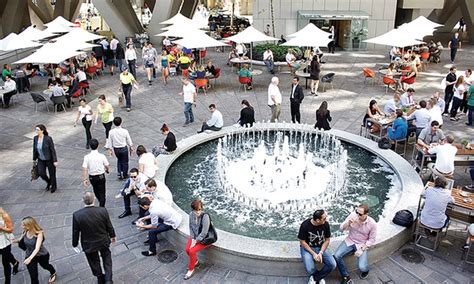
Lunchtimes could be crowded. The FC is a hot ticket in town. If you are caught in the noontime rush, finding a seat is difficult. While most of the places are indoors, there are a select number of outside tables. These would not be ideal in cold or rainy weather. In spite of the pandemic, a majority of food spots are still operating. At the height of the outbreak, sitting was not allowed. Gradually, a few chairs were provided. For months, social distancing under the four-square metre rule remained. Recently, with the easing of most citywide restrictions, the show has gone on. The seating is back to full capacity.

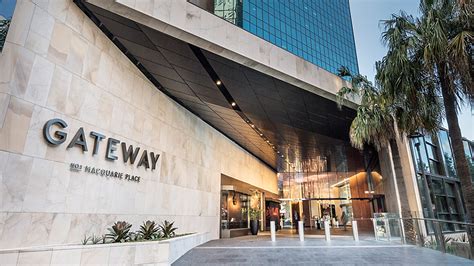
The FC is notable for closing early. By three pm, the whole FC has left for the day. In the early afternoon, and even during peak hour, the stops have already discounted their stuff. The prices are budget-friendly since the eats compete by value. Raising prices would be silly if the trend is to reduce them. There are other nearby FCs: MLC Centre, Australia Square, Gateway, and Westfield Sydney, to name a few. Indeed, MetCentre is a short walk away. None of them come close to the HC prices. There used to a bun place in the basement, but they left some time ago. Also in the latter is a massage parlour.

Enter the dragon

The centre has a few entrances. There is one via George Street. You would take this if alighting or catching the tram. I use the Pitt Street entrance when going to my chiropractor. Along the way, you’ll find the barbershops, the news agent, and not a few food stops. The stores on this side are mostly sandwich stops, with some pasta added for good measure. They also hawk fruit salads. There is also a Hunter Street exit down from the FC. Here, you’ll find most of the clothing alterations. HC also has some mini cafes, perfect for a pick-me-up.

‘A view to a kill’

The Pitt-Street side of the FC has floor-to-ceiling glass windows. It provides a nice view as you munch on your lunch. While sipping your laksa or fighting with your chicken, you would catch sight of the passers-by, the occasional vehicle, and the tall buildings. The vista also offers a snapshot of the current weather. HC is certainly not the latest, widest, or most modern FC. It’s not the glitziest or the avant-garde in dining. Yet HC proffers to two standout features: an enviable location and bargain prices.

Posted in cooking, Travel | Leave a comment